
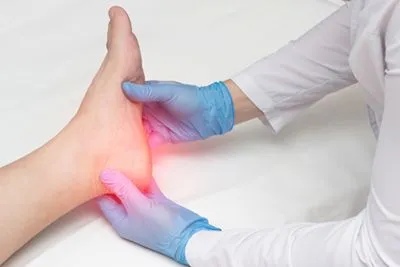
Heel pain can feel like an invisible anchor, pulling at every step and slowing even the most routine movements. For many people, the culprit behind that sharp morning ache is plantar fasciitis, a common yet often misunderstood foot condition. At Libertyville Podiatry compassionate specialists combine clinical expertise with personalized care to help patients find lasting relief and get back on their feet.
The Source of Strain and Soreness
The plantar fascia is a thick band of tissue that runs along the bottom of the foot, connecting the heel bone to the toes. It acts as a shock absorber and supports the foot’s arch. When this tissue becomes overstressed or inflamed, it can cause stabbing pain, particularly in the heel.
Many factors contribute to plantar fasciitis, including prolonged standing, poor foot mechanics, high-impact activities, or wearing unsupportive shoes. Age, weight, and tight calf muscles can also add strain to the fascia, increasing the risk of chronic irritation. Over time, the discomfort can progress from mild stiffness to intense pain that makes every step a challenge.
Recognizing the Telltale Symptoms of Plantar Fasciitis
People with plantar fasciitis often describe pain that’s most noticeable when they take their first steps in the morning or after long periods of rest. As the foot warms up, the pain may lessen, only to return after extended standing or walking. Left untreated, the inflammation can worsen, leading to compensatory changes in gait that may strain other parts of the body, such as the knees or hips.
The condition’s persistence can make daily activities (from walking the dog to running errands) feel exhausting. That’s why prompt evaluation from a podiatric professional is essential. At Libertyville Podiatry, patients receive thorough assessments that focus on pinpointing the root cause of pain, not just masking the symptoms.
Tailored Treatments That Target Relief
Plantar fasciitis treatment focuses on reducing inflammation, improving flexibility, and restoring natural movement. Depending on each patient’s needs, therapies may include stretching programs, custom orthotics, or noninvasive medical treatments that promote healing within the fascia. Greater that 95% of people who suffer with plantar fasciitis are made better through conservative care. Surgical intervention via endoscopic plantar fasciotomy is reserved for the worst cases that have not been made better after several months of care.
Finding Comfort and Confidence Again
Plantar fasciitis may be common, but that doesn’t mean it should be ignored. With expert care and early intervention, patients can experience lasting relief and prevent future flare-ups. The dedicated team at Libertyville Podiatry helps every patient take confident, pain-free steps toward better foot health.
