
Nerve-related foot symptoms can quietly progress and interfere with balance, mobility, and daily comfort if left untreated. Libertyville Podiatry in Libertyville, IL provides focused evaluation and treatment for neuropathy affecting the feet, with care that identifies contributing factors, protects nerve health, and reduces the risk of complications.
What Foot Neuropathy Is
Neuropathy of the foot occurs when peripheral nerves become damaged or irritated, disrupting normal sensation and motor control. Many patients experience numbness, tingling, burning, sharp pain, or a “pins and needles” sensation that often worsens at night. Others notice reduced sensation, which increases the risk of unnoticed injuries, pressure points, and skin breakdown. Because the feet absorb constant pressure during standing and walking, nerve dysfunction in this area requires specialized podiatric care.
Common Causes of Neuropathy in the Feet
Several conditions contribute to foot neuropathy. Diabetes remains the most common cause, as prolonged blood sugar elevation damages nerve fibers and reduces circulation. Other contributors include vitamin deficiencies, chronic alcohol use, nerve compression, prior injury, and certain medications. Structural foot issues can also aggravate nerve irritation by increasing pressure on vulnerable areas.
How We Evaluate Neuropathy
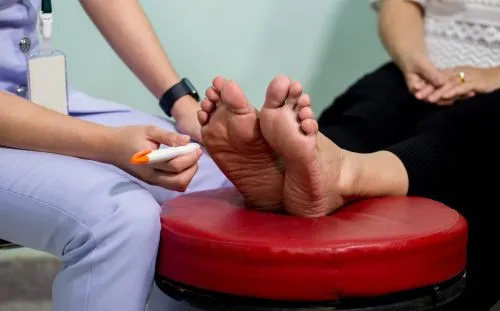
Accurate diagnosis guides effective treatment. We begin with a detailed medical history and foot examination to assess sensation, muscle strength, circulation, skin health, and gait. Identifying pressure patterns and areas of nerve compromise allows us to determine severity and progression. This evaluation also helps us assess ulcer risk and balance concerns that often accompany neuropathy.
Treatment Approaches We Use
Neuropathy management focuses on symptom control, nerve protection, and complication prevention. Treatment plans may include protective footwear, custom orthotics to redistribute pressure, and strategies to reduce nerve irritation during movement. We also emphasize skin care, routine foot monitoring, and callus management to prevent wounds. For patients with diabetic neuropathy, coordinated care that supports glucose control plays an important role in slowing progression.
Preventing Complications
Loss of sensation significantly raises the risk of ulcers and infection. We provide ongoing monitoring to detect skin changes early and address minor problems before they escalate. Education remains central to care, as daily self-inspection and proper footwear reduce injury risk and support long-term foot health.
When Professional Care Is Important
Persistent numbness, burning pain, balance changes, or unexplained foot injuries justify podiatric evaluation. Early intervention improves safety and helps preserve mobility as neuropathy progresses.
If neuropathy affects your feet or raises concerns about safety and skin health, professional care can help manage symptoms and reduce complications.
