
At Libertyville Podiatry, we provide comprehensive care for patients in Libertyville, IL, who experience forefoot pain caused by neuromas. Neuromas develop gradually and can significantly interfere with walking, work, and everyday activities when left untreated. Early diagnosis and targeted treatment help reduce nerve irritation, relieve pain, and protect long-term foot function.
What Is a Neuroma?
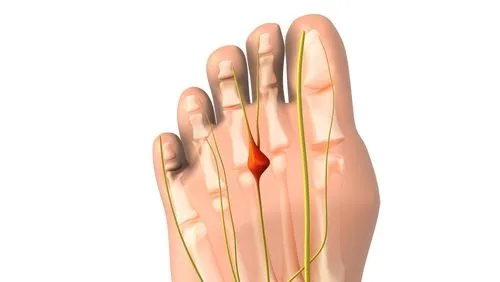
A neuroma occurs when tissue around a nerve thickens due to repeated compression or irritation. The most common type is Morton’s neuroma, which typically forms between the third and fourth toes. As pressure continues, the affected nerve becomes inflamed, leading to pain and sensory changes in the ball of the foot.
Neuromas often worsen over time. What begins as occasional discomfort may progress into persistent pain if the underlying cause is not addressed.
Common Symptoms of Neuromas
Neuromas frequently cause sharp, burning, or shooting pain in the forefoot. Many patients describe numbness, tingling, or a pins-and-needles sensation that radiates into the toes. Symptoms often worsen with walking, standing, or wearing tight shoes and improve when shoes are removed.
Some patients feel as though they are stepping on a pebble or a folded sock. Because symptoms may come and go early on, many people delay care until pain becomes more disruptive.
Factors That Contribute to Neuroma Development
Footwear plays a significant role in neuroma formation. Narrow shoes, tight toe boxes, and high heels place excess pressure on the forefoot and compress nerves. High-impact activities, prolonged standing, and repetitive stress also increase risk.
Foot structure contributes as well. Flat feet, high arches, and abnormal gait mechanics can increase pressure in specific areas of the forefoot, leading to nerve irritation over time.
How Neuromas Are Diagnosed
At Libertyville Podiatry, diagnosis begins with a detailed foot examination to identify areas of tenderness, nerve sensitivity, and pressure points. We evaluate walking patterns and footwear to understand contributing factors.
When needed, imaging studies help confirm the presence and location of a neuroma. Accurate diagnosis allows us to tailor treatment to both the nerve condition and the mechanical causes behind it.
Treatment Options for Neuromas
Treatment focuses on reducing pressure and calming nerve inflammation. Conservative care may include footwear modifications, padding, and custom orthotics designed to redistribute weight away from the affected nerve. Many patients experience meaningful relief with these measures.
If symptoms persist, targeted injections may be used to reduce inflammation and pain. Surgical treatment is reserved for cases that do not respond to non-surgical options and is considered only after careful evaluation.
Schedule a Podiatric Evaluation
Forefoot pain should not be ignored, especially when it affects daily movement. Libertyville Podiatry provides personalized neuroma care for patients in Libertyville, IL, with a focus on comfort and long-term results. To schedule an appointment or learn more about neuroma treatment, call (847) 816-3156 today.
