
Hammertoe Treatment Focused on Comfort and Foot Function
At Libertyville Podiatry, we provide specialized care for patients in Libertyville, IL, who experience pain or deformity related to hammertoes. Hammertoes develop gradually and often begin as a mild change in toe position before progressing into a rigid and painful condition. Early evaluation and proper treatment help relieve discomfort, prevent worsening deformity, and support long-term foot health.
What Are Hammertoes?
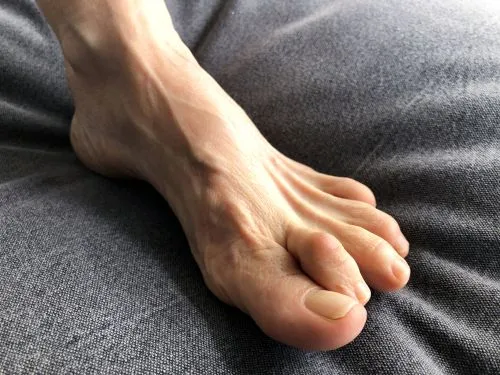
Hammertoes occur when an abnormal bend develops in the middle joint of a toe, causing the toe to curl downward rather than lie flat. This deformity most commonly affects the second, third, or fourth toe. Muscle imbalance between the tendons that bend and straighten the toe drives this condition. As the imbalance continues, the toe joint stiffens and becomes more difficult to straighten.
Over time, hammertoes often lead to corns, calluses, irritation, and pressure points inside footwear. Pain may increase during walking or prolonged standing, especially when shoes rub against the raised joint.
Common Causes of Hammertoes
Several factors contribute to the development of hammertoes. Tight or narrow footwear that forces toes into a bent position plays a major role. High heels increase pressure on the front of the foot and accelerate toe deformity. Structural issues such as flat feet or high arches also alter muscle function and increase risk.
Trauma to the toe, nerve conditions, and inflammatory disorders may contribute as well. Genetic predisposition influences foot shape and toe mechanics, making some individuals more susceptible.
Treatment Options for Mild Hammertoes
When hammertoes remain flexible, conservative care often provides relief. We may recommend footwear changes that allow adequate toe space and reduce pressure. Padding or protective devices help relieve irritation at pressure points.
Custom orthotics support proper foot alignment and reduce abnormal forces that worsen toe deformity. Stretching and strengthening exercises help rebalance muscles and maintain flexibility. These treatments slow progression and reduce discomfort when implemented early.
Care for Advanced or Rigid Hammertoes
As hammertoes become rigid, non-surgical measures may provide only limited relief. In these cases, treatment focuses on reducing pain and preventing complications such as skin breakdown or infection. When conservative options no longer control symptoms, surgical correction may become appropriate.
Surgical treatment addresses the structural deformity by realigning the toe and restoring function. Procedure selection depends on toe stiffness, severity, and overall foot structure. Our goal always centers on improving comfort and mobility.
Addressing hammertoes early prevents progression and reduces the need for invasive treatment. Prompt care also minimizes secondary issues such as corns and joint irritation.
