
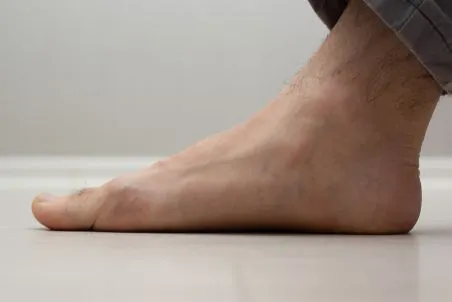
Flat feet, also known as fallen arches, occur when the arch along the inside of the foot does not develop or has lowered over time. As the arch collapses, the entire foot makes full contact with the ground when standing or walking. While some people experience no discomfort, others develop pain in the feet, heels, ankles, or legs, especially when they are active. At Libertyville Podiatry in Libertyville, IL, Dr. Daniel Surowiec and Dr. Jared Hart evaluate flat feet in children and adults to identify the cause and recommend treatment based on each patient’s needs.
Why Flat Feet Develop
The condition of flat feet may be present at birth or develop gradually during childhood. In some cases, aspects of normal arch development begin to weaken over time due to repetitive injury, arthritis, weight changes, or ongoing activity. Damage or inflammation of the posterior tibial tendon – which supports your arch structure – can lead to a slow, progressive collapse of the arch. Additionally, mechanical issues (such as tightness in the Achilles tendon) and biomechanical patterns (such as abnormal foot positioning during the walking cycle) may contribute to flat foot symptoms. Without appropriate management, individuals may develop fatigue, instability, or pain radiating from the ankle up through the lower leg.
Common Signs and Symptoms People Experience
Patients with flat feet often notice soreness along their arches or inner ankles after prolonged standing or walking. When they engage in physical activity, swelling frequently occurs around the ankles, along with the development of calluses caused by uneven pressure on the soles of the feet. Children may report “tight legs” when playing or exercising, while adults often describe discomfort when wearing shoes that once felt supportive and comfortable.
How Libertyville Podiatry Treats Flat Feet
Treatment is tailored to each patient based on symptoms, lifestyle, and the underlying cause of the arch collapse. During an exam at Libertyville Podiatry, Dr. Surowiec and Dr. Hart assess the structure of the foot, walking patterns, and any tendon involvement. Treatment options may include:
Supportive Footwear
Shoes with strong arch support and a stable base help reduce strain on the arch and improve comfort during movement.
Custom Orthotics
Orthotic inserts designed specifically for the patient can correct faulty mechanics, redistribute pressure, and reduce pain during daily activities.
Stretching and Strengthening
Exercises for the Achilles tendon and the muscles that support the arch can improve flexibility and stability, especially in ethe arly stages of flat feet.
Care for Tendon or Joint Conditions
When inflammation or tendon injury contributes to flat feet, treatment may involve reducing strain and supporting recovery through bracing or additional therapies.
When to See a Podiatrist for Flat Feet
Flat feet should be evaluated when they cause pain, limit activity, or appear to worsen over time. Children with persistent discomfort or gait changes benefit from early assessment to support healthy development. Adults with new arch collapse, swelling, or continuing soreness should seek podiatric care to prevent further strain.
