
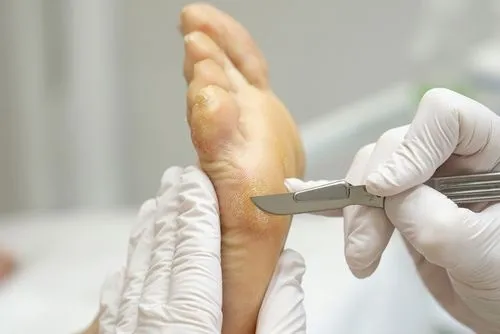
Calluses are a common foot concern, and while they may seem like a simple skin issue, they can become uncomfortable and interfere with movement. We provide professional evaluation and treatment options to help patients find relief and prevent calluses from returning. Their goal is to make walking, standing, and staying active more comfortable for every patient.
Understanding Why Calluses Form
Strangely, a callus is often a bone problem masquerading as a skin problem. Calluses develop when the skin thickens in response to repeated friction or pressure. They often appear on the heels, balls of the feet, and along the sides of the toes, all of which are areas that get subjected to pressure with every step. While calluses are the body’s way of protecting itself, they can become painful, cracked, or inflamed, especially for people who spend long hours on their feet, wear tight shoes, or have foot conditions that place uneven pressure on certain areas. Unfortunately, for people with diabetic or other forms of neuropathy, these calluses can sometime break down and form ulcerations that require additional treatment.
Some patients also develop calluses because of structural issues such as flat feet, hammertoes, or high arches. Without treating these factors, calluses tend to return even after at-home care.
Symptoms Patients Notice
Most calluses appear as thick, hardened areas of skin that may feel rough or dry. Some people experience burning, tenderness, or discomfort when walking. In severe cases, the skin can split and lead to painful fissures that increase the risk of infection, especially for patients with diabetes or circulation concerns.
When calluses become bothersome, podiatric care is the safest and most effective way to relieve symptoms without damaging healthy skin.
Treatment for Calluses
Our physicians begin with a thorough exam to identify what is causing the callus to form. Treatment is always personalized to each patient’s needs and may include:
Manual Debridement
A safe, in-office procedure in which the doctor carefully removes layers of thickened skin. This provides immediate relief and promotes healthier skin regrowth.
Supportive Footwear and Padding
The right shoes, custom padding, or offloading devices can reduce pressure on sensitive areas, preventing calluses from returning.
Custom Orthotics
For patients with structural foot issues, orthotics can distribute weight more evenly and correct abnormal mechanics, mitigating the cause of recurring calluses.
Moisturizing and Skin Care Guidance
Proper at-home care supports long-term comfort. Prescription and non-prescription topical medications including moisturizers, emollients and keratolytic creams can be helpful.
When to Seek Podiatric Care for Calluses
If calluses are painful, frequently return, or are disruptive to movement or balance, it’s time to see a podiatrist. Those with diabetes or circulation issues should never attempt to remove calluses at home, as even minor injuries can lead to complications.
